30 September 2026
Your Era Pickleball Membership Perks and Perimeter Courts
Presented by @andysjxc506
A membership at Era Pickleball changes the texture of how you move through the week, the way you plan a spontaneous session, and the way you measure progress against a longer arc of improvement. It’s not just a price point or a bundle of access rights; it’s a commitment to a pace, a cadence, and a community that understands why you show up with a blister on your racket grip and a grin on your face. I’ve spent more than a decade bouncing between different indoor and outdoor complexes, chasing courts with good sightlines, reliable surfaces, and the kind of atmosphere that makes you want to play another game instead of calling it a day. Era Pickleball sits at a point where membership design, court perimeter logistics, and a responsive staff converge to create a practical, predictable environment for serious players and casual participants alike.
If you’re weighing the idea of Era Pickleball membership or simply trying to maximize the value you get from a court access plan, the terrain feels unfamiliar at first. There are perimeters to consider beyond the obvious hours, the guest policies, and the rate card. How do the perks actually translate on a weekly basis? What does the perimeter of the facility look like in practice, and how does that influence your training rhythm, your doubles chemistry, and your ability to slip into a session when the day’s errands multiply?
Let me walk you through the considerations as someone who has negotiated memberships, tested the perimeter logistics, and watched the way a well designed pickleball facility expands both the calendar and the mental space around the sport.
A practical frame for membership value
Membership values in any sport complex hinge on three things: predictable access, quality of courts, and a sense of belonging that reinforces regular play. Era Pickleball excels when you map those pillars against real life routines. If you slot Era Pickleball into a weekly schedule, you can expect a few recurring experiences that begin to feel less like a purchase and more like a reliable tool for staying active, improving, and enjoying the game with a community that already speaks your language about footwork, paddle control, and shot selection.

The first thing you’ll notice is how membership simplifies the math of play. The price point is set to unlock a certain cadence of court time, and that cadence is rarely a one-off. You’ll discover that after you build a pattern, you stop calibrating your day around whether you can secure a court, and you start calibrating your play around your peak energy windows. If you’re an early riser who values quiet courts before the rest of the gym wakes up, you’ll find a morning lane with a predictable flow. If your best momentum hits after work, you’ll locate a courteous, well-lit perimeter that keeps your tempo from cooling down once the sun dips.
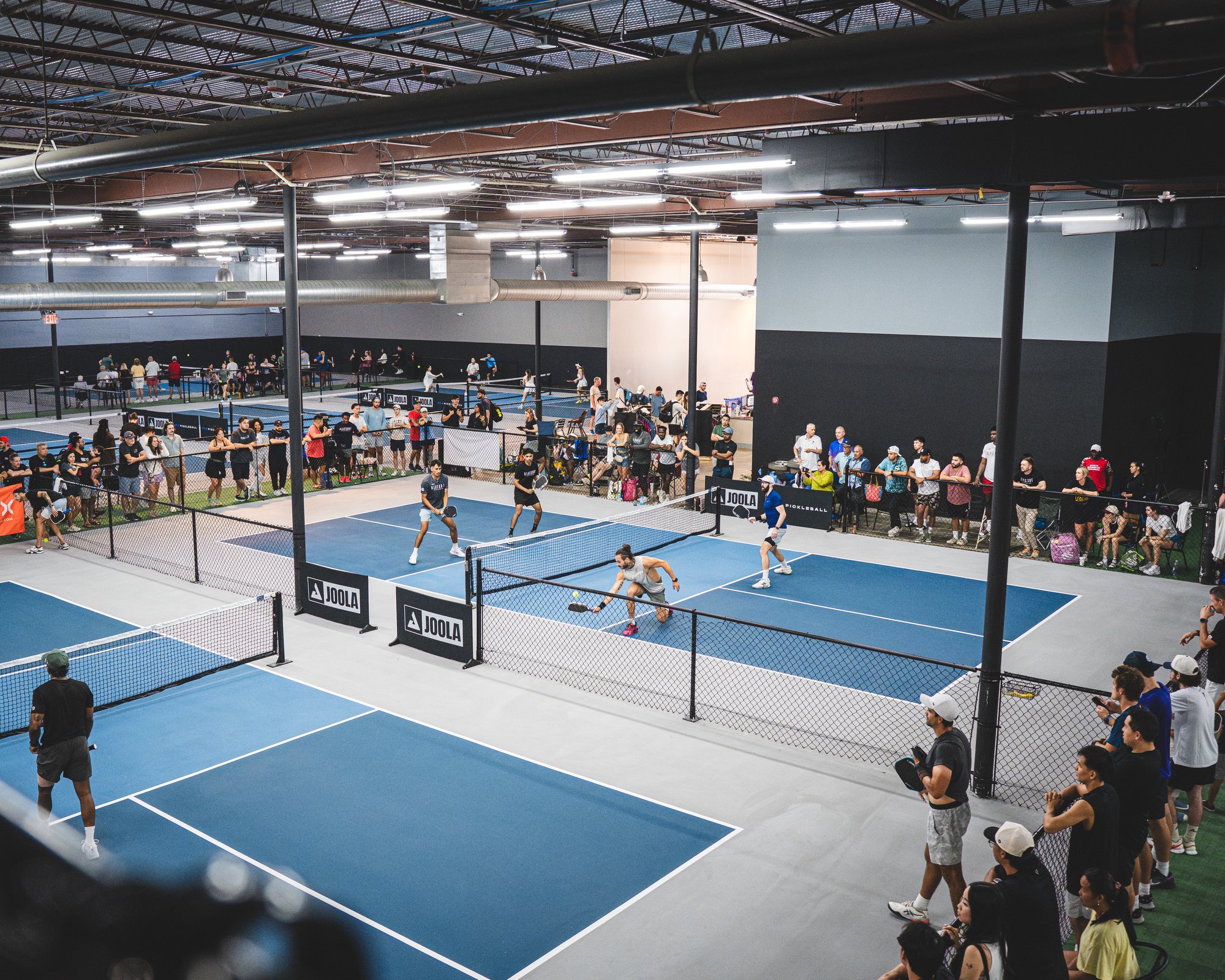
Two elements that tend to surprise new members are the reliability of indoor courts and the flexibility of perimeter spaces. Indoors, you’ll encounter a controlled climate that keeps the ball predictable and the bounce consistent. The exact surface material tends to have a subtle influence on your feel for the ball, and any experienced player will tell you that a well maintained court makes a difference when you’re chasing tight dinks or long drives at game tempo. Perimeter spaces matter just as much. They define how a group moves through the day, how players rotate through drills, and how you and your partners end up spacing yourselves on the court for a doubles match that requires quick transitions. In practice, a good perimeter layout means you can run a drill series without stepping on another court’s rhythm, and that is a surprisingly valuable thing during peak hours.
Another often overlooked benefit ofEra Pickleball memberships is the built-in scaffolding for progression. A membership is not just access; it’s a framework. The facility tends to support a spectrum of activities beyond simple court time: occasional lessons, casual clinics, leagues, and organized play at different skill levels. You don’t have to stitch together a weekly schedule from scattered sessions and sporadic meetups. The club puts you into a rhythm with a built-in expectation of improvement that comes from frequency, exposure to varied styles, and the accountability of a regular group.
From a practical perspective, the most meaningful perks are the ones that quietly reduce friction in your routine. Let me share observations from multiple visits across seasons where small, almost invisible design choices made a tangible difference.
- A transparent booking system with real-time court availability. It reduces the friction of waiting and doubles as a planning tool for your week.
- Clean, accessible locker areas and well-placed water stations. They keep you in the flow of play rather than chasing logistics mid session.
- A well-staffed front desk that understands court etiquette and safety protocols. That means fewer hold times and a smoother transition when players need to adapt to changes.
- Consistent surface maintenance and baseline court orientation. You don’t want to discover a rough patch or a mis-marked line just as you’re chasing a critical shot.
- Routine, friendly clinics and match play options that fit into a busy itinerary. When the offerings are predictable, you plan around them, not around the fear of missing out.
The practical impact of perimeter design
Perimeter design matters in more ways than most people realize. It’s not just about how the building looks from the street. It’s about flow, acoustics, and the mental map players develop as they move through a session. In a crowded afternoon slot, a smart perimeter layout minimizes fatigue by keeping circulation clean and predictable. It reduces dead time between games and creates space for quick warmups without stepping on someone else’s drill.
From a player development standpoint, perimeter design interacts with the way you approach practice and competition. If you’re someone who alternates between singles and doubles, you’ll find yourself grateful for a perimeter plan that accommodates quick rotation without jamming up the corridor that leads from the locker rooms to the courts. The social side of the sport thrives when you’re not waiting for someone else to finish a match or cheer on a partner who’s stepping in for a late game. The perimeter, in short, is the nervous system of the facility; it coordinates the pulse of the day.
Here are a few common perimeter patterns you’ll notice at Era Pickleball that shape the daily tempo:
- Clear lines of sight to central court clusters. The layout reduces the confusion associated with where to stand for in-play coaching or post-game debriefs.
- Ample transition space between entryways, courts, and practice areas. This reduces congestion and promotes a calmer atmosphere for players tuning up drills.
- Separate access for leagues and casual play. It preserves an intimate training environment for serious players while still offering space for beginners to learn without pressure.
- Visible signage with quick-start cues for new members. You want a place where a first-timer can quickly orient themselves without asking multiple staff questions.
- A dedicated seating or viewing area that doesn’t intrude on active courts. This is where families and spectators can enjoy the game and support players without stealing court space.
Choosing a plan that fits your cadence
If you’re evaluating different membership options, you’ll naturally weigh price against hours, guest policies, and the scope of perks. The right choice lands where your personal rhythm meets the facility’s strengths. For some players, a bundled package with predictable weekly court time aligns perfectly with a high-volume training plan. For others, a looser schedule, supplemented by occasional clinics and leagues, yields the best balance between social play and skill development.
A useful way to think about tiers is to map your typical week onto the facility’s offerings. Do you want four or five practice sessions with a couple of competitive matches? Or do you prefer a mix of casual play and structured lessons? The Realm of Era Pickleball typically supports both modes, but the sweet spot often lies in a plan that reduces the guesswork around peak times and guarantees a minimum number of courts available during your ballpark hours. If you push hard through a season, you’ll want a plan that prohibits the on-ramps for busy weekends from becoming an obstacle to your routine.
Inside the walls of Era Pickleball, the staff and coaches recognize that membership is more than a price tag. It’s a commitment to your goals, whether those are winning a local league, refining your serve, or simply keeping a steady flow of play in your weekly calendar. The culture rewards people who show up consistently, invest in drills, and engage with fellow players in a respectful, constructive way. That culture matters as much as any feature list, because a membership that aligns with your values creates a sustained habit that translates into real progress.
Perimeter courts and the daily practice routine
On the ground, perimeter courts are the backbone of the day’s flow. They’re not just about where you stand between points; they define how you fill the spaces between your next service and your partner’s call. A good perimeter makes practice feel like play, keeps fatigue at bay, and curates the kind of environment where you can push a little harder without compromising safety or enjoyment.
If you’re thinking about the best way to leverage Era Pickleball perimeter courts, you can structure your sessions around a few core ideas that many players find effective:
- Start with a light rally and a warmup game on a perimeter court that has a longer sightline. The goal is to reduce the mental chatter about shot precision and let your body unlock the motion sequence.
- Move to a target-based drill that uses the width of the court. Perimeter space gives you enough room to aim, adjust, and learn the subtleties of depth versus length with your shots.
- Transition to a doubles rotation that uses the outer ring for side-to-side movement. The perimeter guides you into a rhythm that mirrors game tempo while avoiding crowding on the central courts.
- Finish with a short match on a perimeter court if it’s available. The more you end sessions within the same corridor, the more you internalize the pace and cadence you want to repeat in the next session.
- Keep a quick debrief with your partner near the perimeter’s edge. It’s a simple habit that strengthens communication and helps lock in your post-match adjustments.
The practicalities of access and timing
A lot of the value in a membership comes down to access windows and how those windows align with your personal life. Era Pickleball tends to publish a reliable schedule that balances peak demand with plenty of off-peak opportunities. If you’re a person who thrives on quieter sessions, you’ll appreciate the early morning blocks or mid-afternoon lull that allows you to practice without the same level of competition for courts. If your lifestyle runs on evenings and weekends, the perimeter layout and the booking system help you lock in a few consistent slots without needing to chase last-minute openings.
The facility’s booking mechanics matter more for some players than others. For those who like a plan, the ability to reserve a recurring weekly time slot reduces the mental load of planning around a sport you love. https://collinorxm568.valoradigest.com/posts/era-pickleball-premier-pickleball-academy For players who prefer flexibility, the system’s open availability and the option to drop into drop-in sessions offer the freedom to swap in a session when life permits. The best approach is to pick a plan that feels like a natural extension of your routine rather than an external constraint you must manage.
A few notes on the membership ecosystem
As you sample Era Pickleball membership, you’ll likely encounter several complementary offerings that integrate with the core court access. The club frequently hosts clinics with level-based grouping, round robin sessions that help you test your skills against a rotating set of opponents, and social events that cultivate a shared sense of belonging. The presence of these programs matters because they convert a simple court usage into a learning curriculum.
If you’re curious about building a personal development arc, consider how to weave in a coaching element with your membership. Even a modest weekly lesson can yield significant returns when paired with consistent court time. The most successful players I’ve seen approach the membership not as a static entitlement but as a framework to structure their growth, quantify improvements through simple metrics, and enjoy the social dimension that comes with a growing pickleball circle.
Two thoughtful ways to think about the practical perks
The experience of Era Pickleball is best understood through concrete, day-to-day choices. Here are two ways to evaluate the practical perks you’ll likely encounter:
- Access flexibility. How easy is it to adjust your schedule when your week throws a curveball? If you can swap sessions, add a guest on occasion, and shift from a singles focus to a doubles rotation without heavy penalties, you’re likely looking at a membership that truly serves a dynamic lifestyle.
- Court readiness. The more consistently the facility maintains a uniform surface, the less you expend on adapting to variable bounce and irregular lines. A well managed court environment ensures your practice translates smoothly into competition.
A word about the intangible benefits
Beyond the tangible perks, membership carries intangible benefits—the sense that you belong to a space that values skill development, courteous play, and healthy competition. Era Pickleball creates a quiet confidence that comes from regular exposure to well run clinics, consistent court access, and patient coaching when you need it. That confidence often translates into better decision making during points, which in turn fosters a more patient, strategic approach to the game. You notice you’re choosing smarter shot selections, reading opponents with greater speed, and staying relaxed when the score tightens. Those are not marketing slogans; they’re the outcomes you begin to measure in real time.

Trade-offs and edge cases you should consider
No facility is perfect for every player, and Era Pickleball is no exception. There are a few trade-offs worth noting so you don’t sign up with unreal expectations.
- Peak time density. If your schedule centers around late afternoons or weekend mornings, you’ll face a crowd more often than not. The upside is that you gain more social play and more opportunities to test your skills in pressure situations.
- Access to specialized courts. Some facilities maintain a few courts that are reserved for clinics or leagues at certain times. If you prefer absolute flexibility to choose any court at any moment, you may want to plan for some limitations or pick a plan that aligns with the club’s programming windows.
- Guest and partner policies. If you anticipate bringing guests or playing with players outside your typical circle, be sure you understand the guest fee structure and any limits on guest access during busy periods. A well defined policy keeps the experience smooth for everyone.
Putting it all together
The Era Pickleball membership model presents a thoughtful integration of access, community, and growth opportunities. The advantages emerge best when you see a plan not simply as a price tier but as a well designed daily instrument. It becomes the hinge that turns a sporadic hobby into a durable practice habit, the thing you rely on when life escalates in complexity and time becomes your scarcest resource.
If you’re looking for a practical path to evaluate membership, consider a two foundry approach: audit your current schedule for a month and compare it with Era Pickleball’s offerings. Is there a time block you can commit to weekly that would unlock a consistent practice routine? Do you have a partner or a small group ready to form a routine that fits into the league and clinic schedules the club usually hosts? The answers to those questions often determine whether a membership feels like a meaningful investment or a marginal convenience.
In the end, the true measure of a membership is the way it translates into court time you actually use, the quality of the practice you can sustain, and the sense of belonging you carry into every match. The perimeter courts at Era Pickleball are designed to support that translation. They offer a stable environment where your game can build, where you can socialize without sacrificing focus, and where the rhythm of play becomes nearly automatic. If you’re on the fence, consider this: a season of steady play, guided by a thoughtful membership plan and a perimeter that makes every drill feel efficient, is a reliable path to meaningful improvement without subjecting yourself to a constant scramble for court time.
Two concise checklists to help you decide quickly
What to look for in a membership plan
- Predictable weekly court time that aligns with your routine
- Access to a mix of indoor and outdoor courts if the club offers both
- Quality, well maintained surfaces and clear lines
- Proximity to clinics or coaching options that fit your goals
- Clear guest policies and reasonable flexibility to bring a partner or friend
What to observe about perimeter courts during a trial period
- Flow from entry to courts without bottlenecks
- Visibility of central court clusters to aid coaching and observation
- Adequate transition space between courts to minimize interference
- Availability of a quiet seating area for breaks and strategy talks
- Consistent lighting and surface conditions that mimic the main play areas
As you consider Era Pickleball, the fit often comes down to the specifics of your week, your willingness to lean into a cadence, and your desire to join a community that treats the sport with both seriousness and joy. The perimeter courts and the membership framework work together to create a practice environment that is as practical as it is rewarding. You’ll find that the benefits compound over time, turning regular sessions into steady progress, and casual flirtations with the sport into confident, repeatable performance on the court. If you’re curious about the exact offerings, you can explore erapickleball.com for current details on memberships, leagues, and the indoor and outdoor court network. The real story, however, unfolds when you step through the doors and start to feel the rhythm of a facility designed to support your best pickleball.