30 September 2026
Best Outdoor Pickleball Courts Era Pickleball Keeps You Active
Presented by @andysjxc506
For players who crave fresh air, reliable courts, and that satisfying ping of a well struck rally, outdoor pickleball at Era Pickleball locations often hits the sweet spot. I started playing in a community park with a tired asphalt court and two cracked lines, then migrated to a dedicated Era Pickleball outdoor courts complex that feels like a well tuned instrument. The difference isn’t only in the surface or the equipment. It’s in the choreography of the space—the way players move, the sound of paddles meeting the ball, the shade that keeps the mid-afternoon sun from turning the game into a chase across the court. The experience matters, and with outdoor courts from Era Pickleball, you can expect a thoughtful blend of accessibility, community, and performance that makes staying active more than a goal; it becomes a habit.
Why outdoor settings matter beyond sunshine and fresh air
Outdoor pickleball isn’t just a sunnier version of indoor play. Weather introduces a set of variables that shape strategy and endurance in practical, often overlooked ways. Wind, for instance, is a real factor on Era Pickleball outdoor courts. A light breeze can turn a simple backspin into a wobbling balloon, forcing adjustments in paddle angle and shot pace. A stronger gust can push a hard drive wide, rewarding players who adapt mid rally rather than clinging to a premeditated plan. In practice, this means players learn to pace themselves differently, to vary spin and depth with intent, and to recognize when a high-percentage rally isn’t the best option.
Terrain also dictates footwork and tempo. Outdoor surfaces at Era Pickleball facilities vary from smooth concrete to sport-turf overlays, each offering unique bounce characteristics. A quarter inch of texture can change ball behavior enough to influence shot selection. Over time, players acclimate to a particular court’s rhythm, which makes early-season sessions feel less predictable but more instructive. Those who invest time on outdoor courts often report improvements in hand-eye coordination and anticipatory footwork, benefits that translate back to indoor play during winter leagues or travel tournaments.
Another practical benefit is the social dimension. Outdoor courts tend to draw a broader mix of players, from casual beginners to seasoned club members. The atmosphere at Era Pickleball outdoor venues often feels open and inclusive—friendly greetings at the net, quick tips shared between rallies, and a natural sense of belonging that comes from the shared space. The social energy matters for long-term adherence. It is easier to show up when you know you’ll run into familiar faces who remember your last win or last mistake, who celebrate improvement, and who keep you moving when motivation dips.
The Era Pickleball approach to outdoor court design
When Era Pickleball designs an outdoor court area, the goal is to blend performance, accessibility, and durability. The most successful outdoor facilities consider sun orientation, drainage, and shade availability. You want to avoid the brutal glare of late afternoon sun on the court while ensuring shaded seating for spectators, or for players who need a breather between games. Drainage is not glamorous but crucial. A rainstorm can turn a good day into a slow grind if water pools on the surface. The best sites implement efficient drainage channels and angled court surfaces that direct water away quickly, so you aren’t left waiting for a resurfaced weekend.
Lighting is another factor, particularly for early morning or evening sessions. Era Pickleball outdoor courts with well-placed lighting extend playing windows without creating glare that disrupts rhythm. Uniform lighting reduces shadows that can obscure ball tracking and makes the experience feel safer for players of all ages. There’s a practical payoff here: you can schedule extended clinics, partner play, or small leagues without sacrificing quality or safety.
The surface matters, too. Paddlers often have a favorite feel, whether it’s a slightly cushioned concrete that reduces joint impact or a more forgiving acrylic surface that encourages controlled volleys. Era Pickleball typically negotiates partnerships with surface specialists to ensure court resilience and predictable ball bounce, which reduces the risk of unexpected hops that frustrate newer players. A good outdoor court should reward patience and precision over raw power, especially on a windy afternoon when angles become everything.
Community programs that leverage outdoor courts
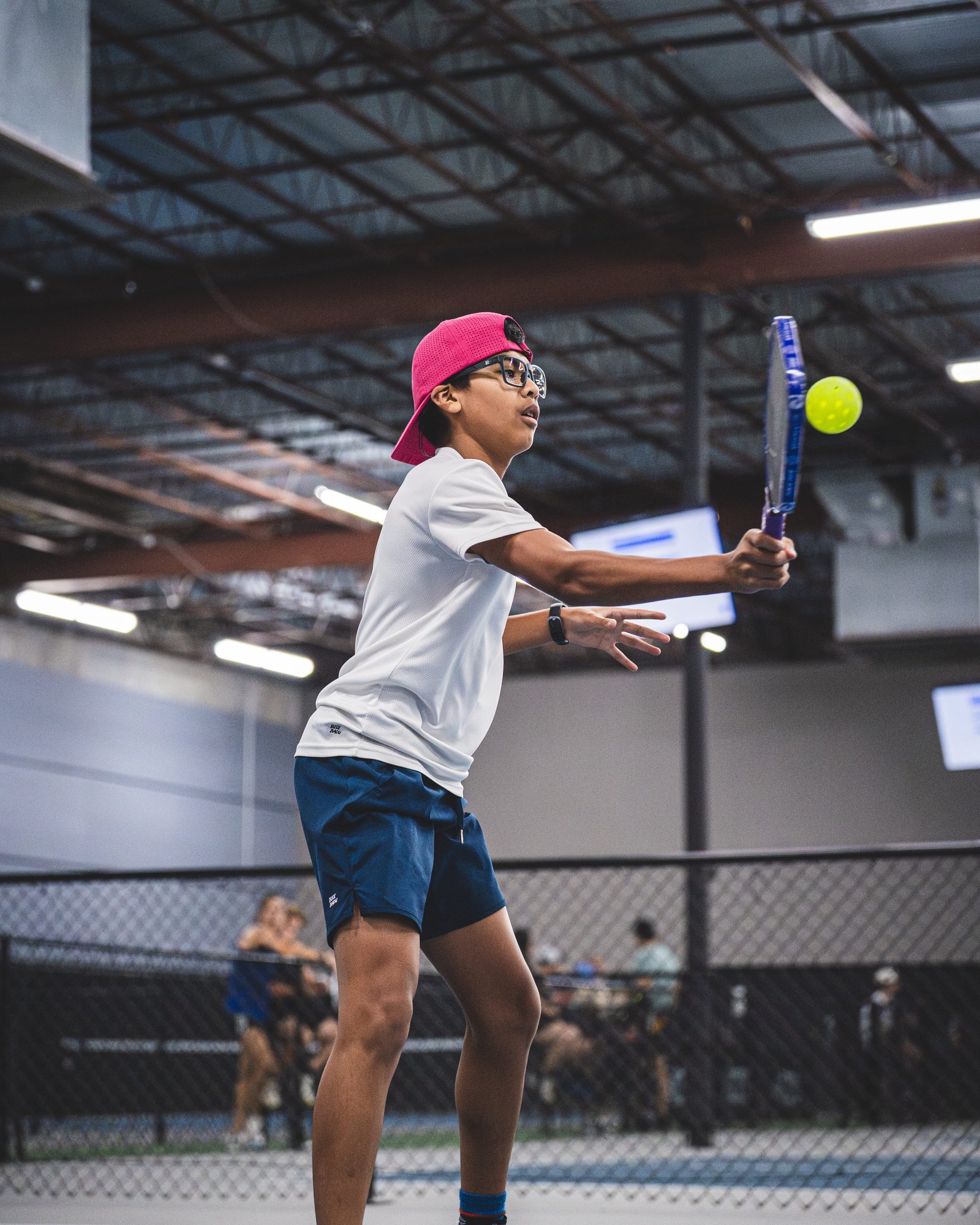
Outdoor spaces thrive when they run programs that invite repeated participation. Era Pickleball clubs frequently pair open court time with structured events that serve a broad spectrum of players. For beginners, a weekly “first serve” session can demystify the rules, provide a safe space for learning the basics, and help new players rack up early wins that build confidence. For more experienced players, clinics focusing on strategy, dinking patterns, and serve-receive shapes keep the game fresh and continuously challenging. A well-balanced calendar also protects against burnout; players who can rotate through drills, match play, and social games tend to stay engaged longer.
Some facilities experiment with themed evenings that mix pickleball with other activities, offering a low-pressure way to build social bonds. For instance, a sunset clinic followed by casual doubles and a short social mixer creates an end-to-end experience that feels less like practice and more like a friendly gathering. The human side matters as much as the physical. The more a program feels tailored to different skill levels and personalities, the more players feel seen and supported, which translates into consistent attendance and measurable skill improvement over time.
The equipment ecosystem around outdoor play
The era surrounding outdoor pickleball is not merely about the court. It’s about a healthy ecosystem of gear, apparel, and accessibility that makes repeated play practical. When you walk into an Era Pickleball outdoor venue, you’ll notice racks and stations that serve as practical hubs rather than ornamental additions. A few sturdy benches, shaded seating for spectators, hydration stations, and clearly marked lines for different skill levels help keep the flow efficient. Equipment stations offer spare paddles, grips, and a few balls for impromptu practice or warm-up, which reduces the friction of getting started if you arrive without your own gear.
Educational signage is another subtle but powerful feature. Like a well-placed quick guide, boards that explain court etiquette, court rotation, and a couple of common shot patterns can remove hesitation for beginners who walk onto the courts for the first time. For longer-term players, access to quick strategy tips between games keeps the learning loop active, ensuring that even casual players leave with a small but meaningful improvement.
The practicalities of staying active outdoors
Staying active on outdoor courts requires more than just showing up with a paddle. It benefits from thoughtful routines that respect the body and the environment. In my experience, a simple approach works best: begin with mobility and activation, then jump into practice, and finish with a cool-down that keeps joints lubricated and muscles responsive for the next session. Here’s a practical rhythm that fits most outdoor sessions at Era Pickleball venues:
- Start with 5–7 minutes of dynamic mobility. Gentle leg swings, ankle circles, hip openers, and shoulder rolls prime the joints for quick lateral movements.
- Move into a 15–20 minute warm-up that includes light rallying, short dinks, and controlled drives. Focus on accuracy over power; the wind will filter power naturally, and you’ll build consistency.
- Schedule a 20–30 minute drill block if you’re with a coach or a friend who wants to work on a particular area. Drills focused on serve and return patterns or dink exchanges can yield practical gains in session time.
- Allow for 15 minutes of match play, alternating between doubles and singles. Doubles emphasize court coverage and teamwork, while singles sharpen movement economy and shot selection under pressure.
- Finish with a cooldown and stretch, emphasizing calves, hamstrings, hip flexors, and the back. Outdoor play can accumulate stiffness from longer rallies and harder ground contact.
The emotional and mental rewards of outdoor play
Active outdoor play is not just a physical pursuit; it’s a mental reset. Fresh air can clear cognitive fog, which matters when you’re learning new motions or adjusting to a different court surface. The social dimension—friendly banter at the net, shared tips, and the small sense of belonging that comes with belonging to a local Era Pickleball community—builds resilience. You learn to accept a bad shot, adjust your plan mid rally, and still stay engaged in the moment. The gradual accumulation of small wins compounds over weeks and months, translating into a more confident individual both on and off the court.
A few practical trade-offs and edge cases
Outdoor play is not a perfect system. There are trade-offs that players learn to navigate through experience and honest feedback from venues like Era Pickleball outdoor courts. The wind, as mentioned, can be both friend and foe. A strong crosswind can push a precision dink into an awkward arc, while a tailwind can flatten a serve that would otherwise be a nonstarter on a calm day. In late afternoon, glare from directional sun not only hampers ball tracking but also compounds fatigue, which can affect decision-making in longer matches. The best approach is to choose sessions that align with the day’s weather pattern and your personal goals for the session. If your aim is to build endurance, you may schedule longer matches when the sun is lower and the wind is predictable. If your objective is to refine touch, you might seek a calmer window earlier in the day.
Another edge case involves accessibility and inclusion. Outdoor courts are a dynamic space, and sometimes they are crowded with a diverse mix of players at different skill levels. A well-run facility will have clear etiquette and rotation rules that prevent bottlenecks and ensure that new players aren’t overwhelmed by faster rally pace. If you’re teaching a beginner or introducing a child to the sport, look for Era Pickleball locations that explicitly promote beginner-friendly hours or staffed clinics. The goal is to balance energy, pace, and safety while advancing the sport for all ages and backgrounds.
What makes Era Pickleball outdoor courts a practical choice for many communities
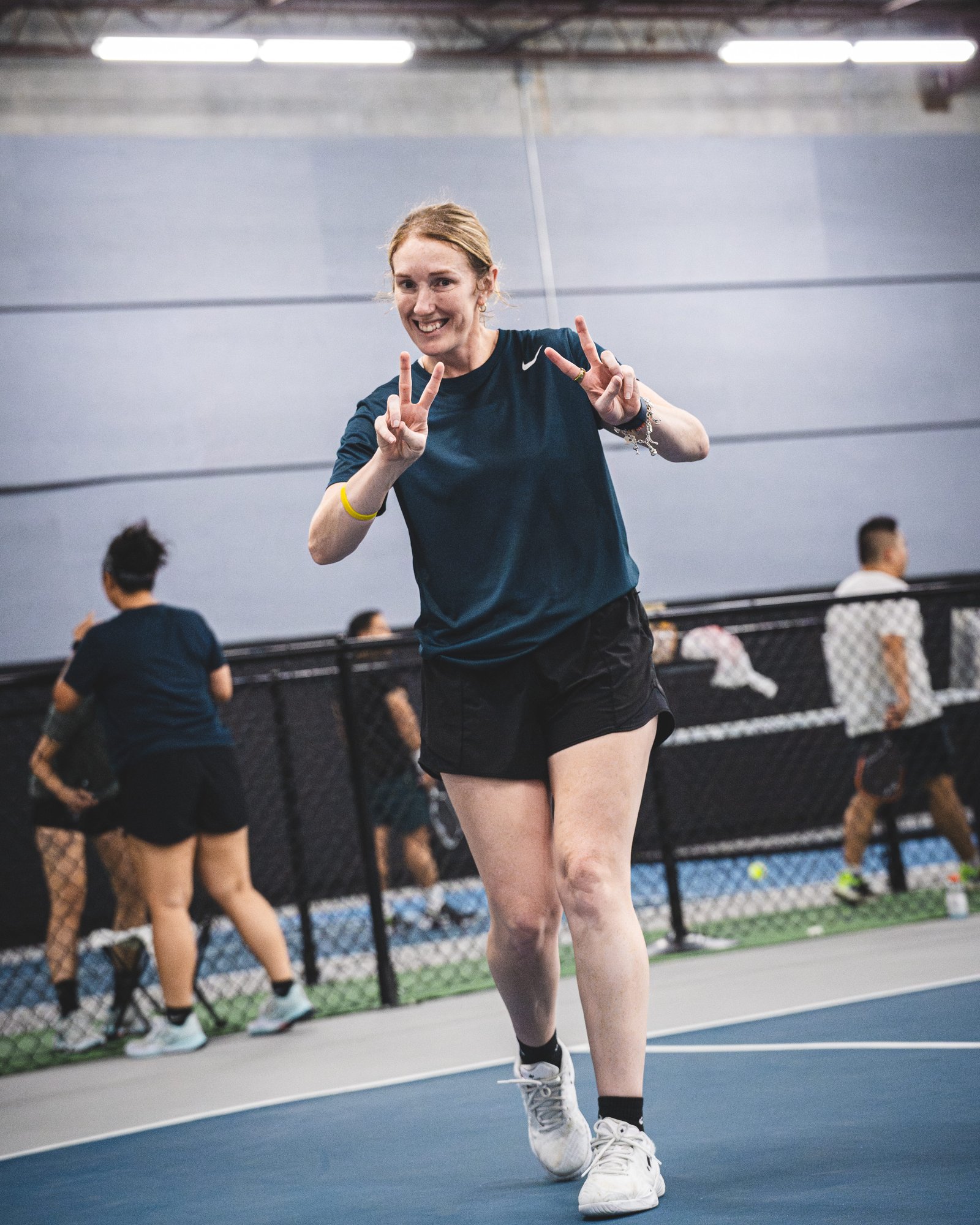
At the core, outdoor courts from Era Pickleball offer reliable access, consistent quality, and a sense of community that keeps players coming back. The practical advantages are clear:
- Proximity and accessibility. Outdoor courts at Era Pickleball venues are frequently positioned to minimize travel time for neighborhoods that benefit from quick, low-friction access to court time.
- Predictable maintenance. A good outdoor court program includes routine resurfacing, line repainting, and wind-down checks after weather events, which reduces the chance of a premature halt to play due to minor issues.
- Flexible programming. The ability to offer open court times, clinics, leagues, and social events means there is likely something that matches your schedule, whether you work during the day or prefer evenings.
- Community support. A robust club ecosystem around Era Pickleball outdoor venues means you’ll have players of similar commitment levels to rally with, share coaching resources, and participate in events that improve your game while expanding your social network.
Incorporating outdoor play into a long-term fitness plan
If you’re thinking about fitness goals, outdoor pickleball provides a balanced approach that supports cardiovascular health, muscular strength, coordination, and mobility. A typical week might include several 60 to 90 minute sessions that blend continuous movement with short bursts of higher intensity during doubles rallies. The cardio intensity of a multi-match day will be substantial, but you can modulate it by adjusting rally length, the pace of your shots, or the mix of singles and doubles. For players who are new to the sport or returning after a break, it’s wise to start with shorter sessions and gradually extend duration as endurance builds. The outdoor setting adds an extra layer of stimulus that can accelerate adaptation, provided you listen to your body and hydrate adequately.
Community stories from Era Pickleball players
Across Era Pickleball outdoor courts, stories of improvement and camaraderie abound. A longtime player I spoke with began as a cautious beginner, skeptical about his mobility after years of office work. He joined a weekly beginner clinic and gradually shifted toward doubles play with a partner who shared similar goals. Within six months, his footwork improved, his ability to read opponents grew sharper, and his overall energy level increased. He still remembers the moment he dropped a mid-court dink into the open space on a windy Saturday and realized that practice and presence could coexist in even challenging conditions. Another player, a high-energy early riser, credits the outdoor rhythm with keeping him engaged through the winter months by leveraging morning sun, light winds, and a steady rotation schedule. The shared accountability—the simple promise of showing up at Era Pickleball facilities—became a steady thread in his weekly routine.
A practical path to trying Era Pickleball outdoor courts
If you’re curious about Era Pickleball outdoor venues and want to test the waters, a practical approach makes sense. Start with a casual, non-intimidating session during a time you can commit to regularly. Bring comfortable shoes, a light jacket for windy days, and a bottle of water. If you’re new, arrive early to observe court etiquette and request a quick demonstration from an experienced player or a staff member. The goal is to feel welcome rather than overwhelmed. After a few sessions, you’ll begin to notice which court surfaces you prefer, how wind direction influences your top spins, and which times of day yield your strongest energy levels. It’s all about gathering data from real, on-court experience and letting it guide your next steps.
Two short notes on implementation if you are considering building a program or joining an Era Pickleball network
- Start small, think scalable. If you’re an organizer or facilities manager, pilot a single outdoor court cluster with a modest weekly schedule that blends beginner clinics, social play, and ladder-style doubles. Use the pilot to gauge demand, refine etiquette rules, and improve signage before expanding.
- Align equipment and staffing with the climate. Outdoor courts perform differently across seasons. Ensure you have on-site staff during peak hours, sufficient paddle and ball stock, and ample shade and hydration options. Provide a simple guide that helps players select appropriate shot types for wind conditions, and consider rotating court assignments to balance wear and tear.
The enduring appeal of the Era Pickleball outdoor experience
In the end, the appeal of outdoor pickleball at Era Pickleball venues comes down to impact over intention. It’s not just about a game; it’s about a living routine that supports physical health, mental clarity, and social belonging. The concrete and lines, the wind, the sun, the cheers at net height after a clever rally—all these elements converge to create a community that values activity and connection in equal measure. When you walk into an Era Pickleball outdoor court and hear the call of a well-lanced dink and the soft thud of a paddle meeting a ball, you’re witnessing a small but meaningful culture in action. It’s a culture that recognizes that staying active is not simply a goal but a daily practice—one that rewards consistency, smarter play, and an openness to learning in a shared space.
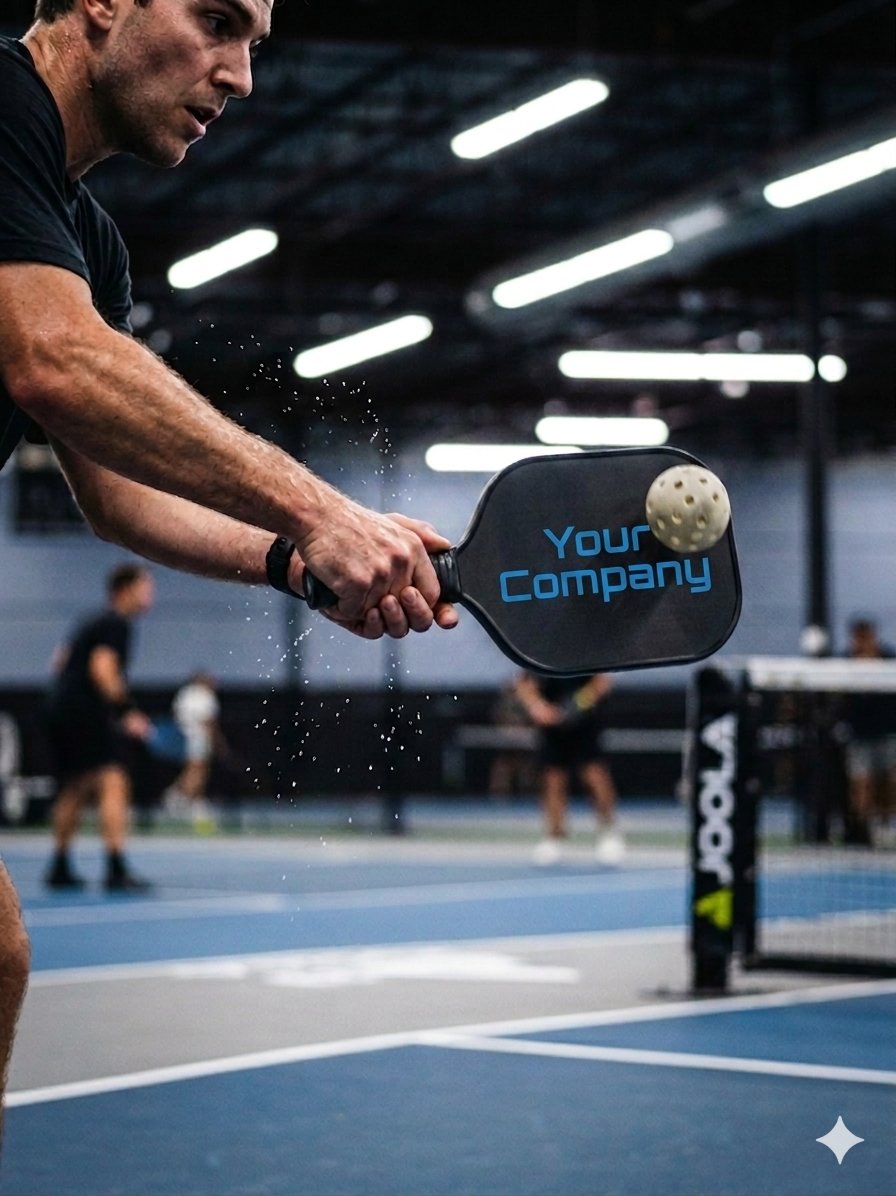
If you’re looking for a place to start, focus on the fundamentals: find an Era Pickleball outdoor court that fits your schedule, join a beginner-friendly clinic if you’re new, and commit to a regular slot for a few weeks. Track your progress not just by wins and losses but by how your footwork improves, how your ball control holds up in wind, and how your endurance responds to longer rallies. The outdoors demand more attention to body mechanics, but they also reward the effort with improved coordination, stronger cardiovascular health, and a more resilient mindset.
Closing note for players, coaches, and facility operators
Outdoor environments demand more than a simple, well-marked surface. They demand thoughtful design, practical programming, and a culture that welcomes players of all levels. Era Pickleball understands this balance and continually works to create spaces where the game can be learned, enjoyed, and advanced without sacrificing safety or accessibility. Whether you are a senior player with decades of experience or a parent introducing a child to a sport, outdoor pickleball at Era Pickleball locations offers a welcoming doorway into a community that values health, skill, and connection. The bottom line is this: the best outdoor courts are not just about the surface you stand on; they’re about the experience they shape, pickleball courts near me day after day, rally after rally, in a space that invites you to move, learn, and belong.